Invited Speaker
Lenka Bešše
Masaryk University, Czech
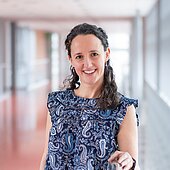
Dr. Lenka Bešše is a cancer biologist and Junior Group Leader at the Department of Biology, Faculty of Medicine, Masaryk University, Brno, Czechia. She earned her PhD in Oncology from Masaryk University in 2014 before undertaking postdoctoral research at the Cantonal Hospital St. Gallen, Switzerland. From 2017 to 2023, she served as Head of the Laboratory of Experimental Oncology at the Cantonal Hospital St. Gallen, where she established an independent research program investigating mechanisms of cancer therapy resistance. Her current research focuses on proteostasis, protein homeostasis, and tumor adaptation to chemotherapy and immunotherapy.
Wednesday, October 7th, 09:30 am
The Plasticity of Proteostasis — How Myeloma Cells Rewire to Survive Proteasome Inhibition
Multiple myeloma is a plasma cell malignancy in which proteasome inhibitors have dramatically improved patient survival. Yet despite remarkable initial responses, resistance inevitably develops. What enables cancer cells to survive a therapy that so profoundly disrupts protein homeostasis? In this talk, I will discuss how studies of proteasome inhibitor resistance have revealed the striking plasticity of the proteostasis network. Rather than relying on a single resistance mechanism, myeloma cells coordinate a rewiring of proteasome function, energy metabolism, redox balance, and protein folding to restore cellular homeostasis under sustained therapeutic stress. Understanding these adaptive processes opens new avenues to overcome drug resistance, while also revealing broader principles of how cells respond to proteotoxic stress — with implications for cellular adaptation and evolution under selective pressure beyond multiple myeloma.
Anna Stöckl
University of Konstanz, Germany

Anna Stöckl has been Junior Professor of Neuroethology at Konstanz University since 2023. Her research investigates neural processing in the insect visual system that underlies their natural behaviour. Using pollinating insects as model systems, her group combines neurophysiology, behavioural analysis, neuroanatomy, environmental imaging, and modelling. Her research focuses on vision under changing light conditions, insect-flower interactions and sensorimotor control of movement. She studied Biology at Heidelberg University and Neuroscience at the LMU Munich, earned her PhD at Lund University in Sweden, and held research positions at Aalto University in Finland and the University of Würzburg before establishing her own group.
Wednesday, October 7th, 11:15 am
More than just a pretty flower: how visual patterns guide insect – plant interactions.
We have all experienced the fascinating range of colourful patterns that flowers display – though while merely pleasing to us, they can be of great importance to animals that visit flowers for their daily food supply. Flower patterns are thought to lead insect pollinators to a plant’s nectary, expressed in the term ‘nectar guides’. I will present recent work on how flower patterns guide the flower interactions of two insect pollinators, the buff-tailed bumblebee (Bombus terrestris), and the hummingbird hawkmoths (Macroglossum stellatarum). These two species have very different flower-interaction strategies, as bumblebees land on the flowers and make their way to the nectary on foot, while hawkmoths hover in front of them and search for the nectary with their long proboscis. I will provide insights how this guidance function of flower patterns might have shaped innate preferences of pollinators for flower patterns, and how these laboratory pattern preferences translate to flowers visited by these insects in nature, based on citizen science observation data. The talk will thus highlight our work on sensory-motor control, cognitive strategies, and co-evolutionary hypotheses concerning the role of flower patterns in insect-plant interactions.
Seamus Holden
University of Warwick, UK

My lab uses advanced light microscopy to study the biophysics of bacterial growth and division. We study how proteins function as nanoscale machines that build complex microscale structures. We particularly focus on proteins that build and remodel the bacterial cell wall, which is one of the most important targets for antibiotics. To achieve this we use super-resolution microscopy to follow the activity of individual cell wall synthesis proteins at nanoscale resolution inside live bacteria.
2024: Promoted to Professor, University of Warwick. 2022: Moved to University of Warwick as Associate Professor (Reader). 2020: Awarded British Biophysical Society Louise Johnson Early Career Award. 2018: Promoted to Principal Research Associate, Newcastle University. 2017: Awarded Wellcome Trust & Royal Society Sir Henry Dale Fellowship. 2015: Moved to Newcastle University to start independent research career. 2012: Awarded Marie Curie Intra-European Fellowship. 2011-2015: Post-doctoral Researcher in laboratory of Professor Suliana Manley, EPFL, Switzerland. 2007-2011: DPhil in Biological Physics in laboratory of Professor Achilles Kapanidis, University of Oxford. 2003-2007: MPhys in Physics, University of Oxford.
Wednesday, October 7th, 12 pm
How do you build a wall? Using super-resolution microscopy to understand the biophysics of bacterial cell wall remodelling
Almost all bacteria are surrounded by a mesh-like peptidoglycan cell wall essential for their survival. Defects in cell wall structure cause bacteria to burst and die due to the cell’s high internal osmotic pressure. Many rod-shaped bacteria, including major antibiotic resistant pathogens, elongate by adding new material to the sides of their cell wall. In these organisms, an essential multi-protein synthesis complex called the elongasome inserts glycan strands around the circumference of the cell, elongating and reinforcing the cell wall and giving cells their rod shape. How cells regulate the length of circumferential glycan strands and the effect of circumferential glycan strand length on cell size and shape is largely unknown. We used single particle tracking (SPT) to measure the length of individual synthesis events (processivity) of the Bacillus subtilis elongasome, which determines the initial length of new glycan strands [1]. We found that elongasomes are highly processive, and that B. subtilis elongasome dynamics and processivity are determined by a balance between processive synthesis and molecular motor tug-of-war, where multiple synthases pull individual MreB filaments in opposite directions. We also found evidence that elongasome processivity and tug-of-war regulate B. subtilis cell size and shape. In unpublished work, we have been further investigating the molecular mechanisms of elongasome tug-of-war using a combination of bacterial genetics, SPT and super-resolution microscopy. We have also applied MINFLUX SPT to this problem, giving measurements of elongasome dynamics with at least an order of magnitude improvement in spatiotemporal resolution than obtained previously by conventional single . I will present recent progress in this area.
[1] S. Middlemiss, M. Blandenet, D.M. Roberts, A. McMahon, J. Grimshaw, J.M. Edwards, Z. Sun, K.D. Whitley, T. Blu, H. Strahl, S. Holden, Molecular motor tug-of-war regulates elongasome cell wall synthesis dynamics in Bacillus subtilis, Nat. Commun. 15 (2024) 5411. https://doi.org/10.1038/s41467-024-49785-x.
Marisa Karow
Friedrich-Alexander-Universität (FAU) Erlangen-Nürnberg, Germany

Wednesday, October 7th, 3:30 pm
Decoding the molecular and cellular drivers of long-range neuronal connections
Successful corticogenesis depends on tightly coordinated molecular and cellular programs that guide the formation of neuronal connections. However, the mechanisms that enable neurons to extend and guide axons over long distances remain incompletely understood. Here, we investigate the molecular and cellular principles underlying long-range connections development using human brain organoids. Modelling three neurodevelopmental disorders with long-range connections defects: Coffin-Siris Syndrome (SOX11 heterozygous), Pitt-Hopkins Syndrome (TCF4 heterozygous) and Optiz/BBB-G Syndrome (MID1 knock-out), we identify convergent cellular and molecular phenotypes in neurons uncovering central mechanisms governing neurite outgrowth and guidance. We find that neurons consistently exhibit reduced neurite growth speed and impaired directional persistence, with deficits becoming pronounced over longer distances. Single-cell transcriptomics reveals convergence at more integrative levels, highlighting dysregulation of energy metabolism, polyunsaturated fatty acid (PUFA) pathways, and cell–extracellular matrix (ECM) interactions as core features associated with impaired formation of long-range neuronal connections. Combining in silico modeling and live imaging, we demonstrate that modulation of growth cone geometry—specifically, the opening angle—is sufficient to alter neurite trajectory and recapitulate key aspects of impaired neurite growth. Functional manipulation of PUFA metabolism show direct impact in growth cone morphodynamics, linking PUFA metabolism directly to the physical behavior of extending neurites. Together, these findings identify growth cone dynamics, neuron–ECM interactions, and lipid metabolism as interacting drivers of long-range neuronal connection formation. This work provides a framework for understanding how molecular and cellular processes integrate to shape large-scale neuronal wiring.
Felix Meissner
University of Bonn, Germany
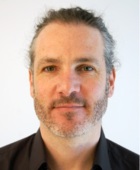
Felix Meissner studied biochemistry at the Free University of Berlin and the Scripps Institute in San Diego, USA. He obtained his doctorate at the Max Planck Institute for Infection Biology in Berlin. His postdoctoral work then took him to the Max Planck Institute of Biochemistry in Martinsried and then to the University of California in San Francisco. He then returned to Munich as an independent Research Group Leader for “Experimental System Immunology” at the same Institute. Since 2021 he is heading the Department of "Systems Immunology and Proteomics" at the Institute of Innate Immunity in Bonn. He has co-founded Odyssey Therapeutics, which translates discoveries into novel therapeutics.
Wednesday, October 7th, 4:15 pm
Rewiring of Inflammatory Signaling at Proteome Scale
Sterile inflammatory diseases have become a major health and socioeconomic burden, yet the molecular mechanisms that govern the initiation and propagation of inflammation remain incompletely understood. Mass spectrometry-based proteomics has emerged as a powerful discovery tool to systematically investigate signaling circuits within and between cells. I will present promising biochemical, proteomic, computational, and immunological strategies to dissect complex inflammatory reactions and identify proteins and proteoforms with previously unexplored bioactivities on cellular and organism level.
Focusing on extracellular proteins, our analyses uncover a previously hidden layer of cellular crosstalk driven by unannotated cytokines and proteolytic proteoforms that diversify and reshape immune signaling. Many of these variants arise from endogenous protease activity and display context- and tissue-specific usage. Deep plasma proteomics in human cohorts highlights the translational potential of proteoform-aware profiling for sensitive monitoring and stratification of inflammatory activity. Together, our work establishes a proteome-scale foundation to decode and clinically harness inflammatory signaling.
Jost Enninga
Institut Pasteur, France

Jost Enninga heads the research unit « Dynamics of host-pathogen interactions » within the Department of Cell Biology and Infection at the Institut Pasteur in Paris. Jost studied biochemistry in Hannover, Germany, and then he performed his Ph.D. in the Laboratory of Cell Biology at the Rockefeller University, New York, under the guidance of Dr. Guenter Blobel and Dr. Beatriz Fontoura (2000-2004). There, he focused on how viruses subvert host cellular trafficking processes. Jost moved to the Institut Pasteur in Paris to study the early events of bacterial host cellular crosstalk with Dr. Philippe Sansonetti and Dr. Guy Tran Van Nhieu (2004-2008). Between 2008 and 2012, Jost formed an independent junior team at the Institut Pasteur to investigate the internalization of the human pathogen Shigella into host cells. Since 2013, he heads his own research unit at Institut Pasteur studying the intracellular niche formation of bacterial pathogens, and he has been deputy as well as acting director of the Cell Biology and Infection Department between 2014 and 2019. He has also been serving on many national and international committees, including INSERM, the CNRS, the DFG. Apart from doing science, Jost has also been involved in many training courses that focus on the integration of advanced imaging techniques for the study of microbes. For example, he has run a series of EMBO workshops in South Africa, and he has implemented a training course at the Institut Pasteur on advanced optical imaging.
Thursday, October 8th, 9 am
Deciphering the molecular basis how bacterial pathogens find their preferred intracellular niche(s) - The power of correlative imaging workflows and single cell tools
Our research unit studies the fundamental question how intracellular pathogens manipulate host pathways to reach a specific intracellular niche. As models we use two important enteroinvasive bacteria Shigella, Salmonella as well as Mycobacterium tuberculosis, and we challenge non-phagocytic as well as professional phagocytic cells with these microbes. For our research, we have been emphasizing the implementation of single-cell approaches. These methods comprise the development of novel fluorescent biosensors, high-content screening, correlative light-electron microscopy (CLEM) under cryo conditions, and microfluidic-based single-cell OMICs. This enables us to (i) identify the major cellular factors involved in the underlying processes (e.g. niche formation of the studied pathogens, pathways traveled during drug delivery, and responses induced), to (ii) decrypt the mechanisms and molecular cascades induced, and to (iii) obtain in situ structural information at the angstrom level of the key molecular complexes.
Lucas Massier
Helmholtz Munich at the Leipzig University and the University of Leipzig Medical Center, Germany
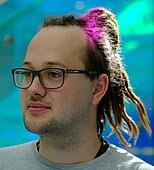
Lucas Massier is a Principal Investigator and Junior Group Leader at the Helmholtz Institute for Metabolic, Obesity and Vascular Research (HI-MAG) in Leipzig, Germany, where he leads the research group Adipose Tissue Microarchitecture and Metabolism. He studied Biochemistry and Molecular Cell Biology and Molecular Medicine at Friedrich Schiller University Jena before completing his PhD in Biochemistry and Experimental Endocrinology at the University Hospital Leipzig in 2020. His doctoral research investigated bacterial translocation to adipose tissue and its relationship with metabolic disease. He subsequently moved to the Karolinska Institutet in Stockholm, where his research expanded towards the cellular organization and function of human adipose tissue.Today, his research focuses on understanding how the complex cellular architecture of adipose tissue contributes to metabolic health and disease. His group combines single-cell and spatial transcriptomics with proteomics, epigenomics, and clinical data to study adipose tissue across anatomical depots and throughout the human lifespan. A particular focus is understanding how different cell types interact within adipose tissue and how specialized depots, including fat surrounding the intestine, sense and respond to nutritional, microbial, and environmental signals. He also initiated and co-led adiposetissue.org, a public knowledge portal integrating molecular and clinical datasets from human adipose tissue.
Thursday, October 8th, 3:30 pm
More Than Fat: The Hidden Complexity of Adipose Tissue
For a long time, adipose tissue was viewed primarily as an energy store and a cushion protecting our organs. Modern single-cell and spatial technologies are changing this view. Although adipocytes occupy around 90% of the physical volume of adipose tissue, they account for only about 20% of its cells. The remaining cellular landscape consists of immune cells, vascular cells, fibroblasts, and diverse progenitor populations, all organized into a complex three-dimensional microarchitecture.This cellular organization is not simply structural. It influences how adipose tissue responds to insulin, regulates immune responses, and enables communication between different cell types. Spatial studies have, for example, revealed distinct adipocyte populations with different sensitivities to insulin and specific interactions between stromal, immune, and vascular cells. Importantly, there is no single “adipose tissue”. Different fat depots throughout the body have distinct cellular compositions, spatial organization, and functions. Recent work mapping multiple human depots has shown particularly striking specialization in adipose tissue surrounding the intestine and colon. These depots contain specialized adipocytes and immune cell populations and appear to be adapted to their proximity to the gut and its microbial environment. This raises a broader question: could adipose tissue serve as an important interface between our internal organs and the environment? In particular, fat surrounding the intestine may sense nutritional and microbial signals, coordinate local immune responses, and communicate these signals to the rest of the body. In this talk, I will explore how looking beyond adipocytes, and beyond fat as a storage organ, is revealing adipose tissue as a highly organized and dynamic regulator of human physiology.
Hildegard Büning
Medizinische Hochschule Hannover, Germany
Hildegard Büning is Professor of Experimental Cell and Gene Therapy Infection at Hannover Medical School (Germany). She is Director of the Hannover Center for Gene and Cell Therapy and Deputy Director of the Institute of Experimental Hematology. She served as President of the European Society of Gene and Cell Therapy (www.ESGCT.eu, 2018-2022), as Member of the Board of Directors of the American Society of Gene & Cell Therapy (https://asgct.org/;2021-2024) and is the Scientific Secretary of the German Society for Gene Therapy (www.dg-gt.de/; since 2014). She studied Biology and obtained her PhD (Dr. rer. nat.) at the Ludwig-Maximilians-University Munich (Germany) in 1997. Since then, she is active in the field of adeno-associated virus (AAV) vectors with a particular focus on AAV-host interactions and vector development. Aiming to improve efficacy and safety of AAV vectors for gene therapy, she is tailoring vector tropism and immunogenicity using both rational design and library-based approaches.
Thursday, October 8th, 4 pm
Tailoring Adeno-Associated Virus (AAV) vectors to improve efficacy of in vivo gene therapy
Hildegard Büning
Hannover Center for Gene and Cell Therapy and Institute of Experimental Hematology, Hannover Medical School, Carl-Neuberg-Str. 1, 30625 Hannover, Germany
AAV vectors are biological nanoparticles derived from replication-deficient adeno-associated viruses (AAV). They are currently the most widely used delivery system for in vivo gene therapy; maybe best highlighted by the increasing numbers of AAV vector-based in vivo gene therapies entering clinical routine. AAV vectors are applied for gene addition (or gene supplementation) as well as gene editing strategies. The decision of whether to apply AAV vectors locally or intravenously is dependent upon the disease and, thus, dependent upon the main target cell type. Compared to ex vivo gene therapy strategies, in vivo applications face the challenge of the high prevalence of pre-existing neutralizing antibodies in the human population due to exposure to the wild-type virus. Moreover, even when applied locally, vectors will be lost in off-target cell types due to the generally broad tropism of vectors based on naturally occurring viruses. A further challenge is the high vector dose that is applied to overcome pre- and post-entry barriers towards transduction. In response to these challenges, capsid engineering has been developed more then 25 years ago. Since then, the AAV toolbox has been greatly expanded with capsid-engineered AAV vectors clearly outperforming AAV vectors derived from naturally-occurring serotypes regarding efficacy as delivery tools for treating monogenetic disease. Moreover, due to these technical advances and gained insights into the host-vector interaction, the potential medical utility of AAV vectors is expanding to new “fields of action”. For example, capsid engineered AAV vectors are explored as vaccine platforms, to improve outcome for patients receiving implants, to improve ex vivo gene therapy approaches and to move ex vivo gene therapies into in vivo applications.