


Sanga, Julius Loth

Dissertationsthema: "The Influence of Muziki wa Dansi on Other Music Genres in Tanzania: A Comparative Analysis of Taarab, Bongo Flava, Gospel Music, and Traditional Music Genres."
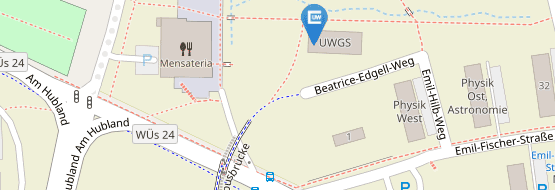
Kontaktadresse an der Universität Würzburg:
Institut für Musikforschung
Domerschulstraße 13
97070 Würzburg
E-Mail an Herrn Sanga
Erstbetreuerin: Prof. Dr. Juniper Hill
Zweitbetreuende:
Dr. Toyin Samuel Ajose (Univ. of Ibadan, Nigeria)
Klasse in der Graduiertenschule: "Philosophie, Sprachen, Künste"
Promotion in der Graduiertenschule ab WS 2026/27.
Abstract:
My study aims to examine the cross-genre influence of musical styles in Tanzania, focusing on the impact of muziki wa dansi (dance music) on other genres, including taarab, bongo flava, muziki wa injili (Tanzanian gospel music), and traditional music genres, theorising this influence as a process of musical rebirth. Drawing on the complementary frameworks of diffusionism, semiotics, and musical revival theory, the study will develop a new analytical model for understanding genre transformation and cultural change within the Tanzanian musical context. Diffusionism will provide a lens for tracing the pathways through which musical elements travel between genres and communities; semiotics will offer tools for interpreting the symbolic and cultural meanings embedded in these musical exchanges; and musical revival theory will illuminate how elements of muziki wa dansi are recontextualised, giving rise to renewed forms of cultural expression. Through comparative analysis of these genres, the study aims to examine how music hybridization functions as a mechanism of both continuity and innovation. In doing so, the study will contribute to broader debates on music sustainability, offering fresh insight into how established genres are reshaped, reinterpreted, and revitalised through their interaction with emerging musical forms. Ultimately, this study will position muziki wa dansi not merely as a historical genre but as a generative force within Tanzania's evolving musical ecosystem, with implications for understanding genre change, cultural resilience, and musical heritage preservation more broadly.